A gun that worked well during the time it was used is not automatically ready for the next time. How it is stored how much dirt has built up if a part is loose or if a round is damaged can change the risk before you even leave the house. A good check before going to the range is not a technical job. It helps find problems tell the difference between regular cleaning and real issues and know when to stop and ask for help from someone who knows what they are doing.
Start with a controlled place to check the gun. Choose an area that is free from distractions and away from any bullets. Keep the end of the gun pointing in a direction. Take the bullets out open the gun and make sure it is empty by following the instructions from the maker. Do not trust your memory. Just look at the magazine. Follow the steps to empty the gun exactly as the maker says.
If you are checking than one gun finish the safety steps for one before moving to the next. A clean table, light and a slow pace help avoid mixing up parts, bullets or the state of the gun. If you do not have the owners manual get the one from the maker before you try anything more than the basic safety steps.
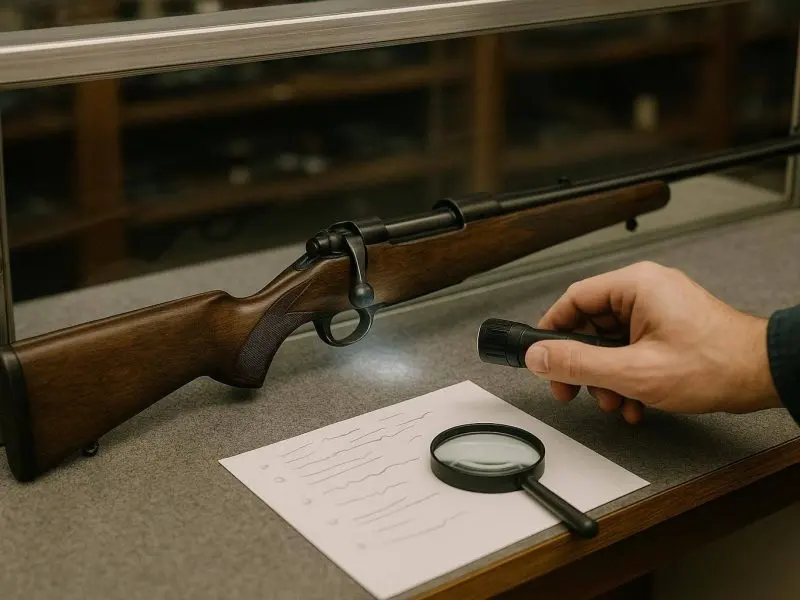
Look for signs before you reach for tools. Start by looking and feeling what you can without forcing any parts. Check for rust, damage, cracks, dents, bulges, missing parts, broken sights, loose grips or anything that is different from the last time you checked. Look for oil where it shouldn't be, water, dirt near openings or a strong chemical smell that could show a storage or cleaning issue.
The parts should not feel stiff, rough, loose or different from normal. A slide, bolt, cylinder or action that does not move the way the manual says is a warning, not a reason to push harder. Do not load the gun. Shoot a few rounds to see if a problem is real.
A gun that was dropped got wet was stored in a case or had a strange impact needs extra care. Take it out of the plan to go to the range until a trained gun expert has checked it. This is also true after a noise weak kick, failure to work properly or if a bullet may not have left the gun.
Take time to look at the inside of the gun and the bullets. With the gun empty and handled as the manual says, check the inside for something stuck a lot of dirt or anything you can't explain. Something stuck can be very dangerous when you shoot. Never try to clear a blockage with things you find around. Stop if you are not sure how to check it
Bullets need their check. Match the bullets to the guns marked type and the makers instructions. Do not use rounds that're rusty dented, damaged have loose parts, dirty or other visible issues. If the mark on the gun or the package is not clear check with a source instead of guessing.
Keep the bullets separate from the ones you can use. Follow rules and the makers advice on how to handle or throw them away. Never put a damaged bullet back in the box because the problem seems small.
Use cleaning to stop problems not to fix things without knowing. Regular cleaning means following the makers instructions for that model. More oil is not always better. Much oil can collect dust move where it shouldn't or get in the bullets. Use the products and ways the maker says are okay. Keep cleaning tools away from the parts that start the shot.
Do not change springs, grind parts, polish touching areas or swap parts to fix a problem unless a trained person is doing the work. A problem that happens again is a sign. It could mean the bullets, how you handle the gun, dirt, wear, damage or a mechanical issue. Guessing can make it harder to find the problem.
If the gun has not been cleaned for a time had tough conditions or shows wear that is more than normal get a trained person to check it before going to the range. Cleaning should make you feel safe because you know what is going on not because it looks good.
A quick list of things to check before going to the range:
– Is the gun empty with the action open and the bullets away when checking?
– Are the outside parts, sights, handles and screws free from damage or being loose?
– Is the inside clear with no things stuck, dirt or damage that you can't explain?
– Are all the bullets the right kind and free from damage, rust or being dirty?
– Has the gun been dropped, wet stored badly or had a strange problem?
– Has the cleaning steps from the manual been followed without using anything not meant for it?
– Can every problem be explained and fixed safely or does a trained person need to look?
If any of these answers make you unsure do not try to test it at the range. Mark the gun or bullets clearly keep them safe. Get advice from the maker, a trained gun expert or another safe person as needed.
When buying or getting gear ready think about what's important. A cheap price is not the thing that matters if the gun comes with unclear papers, a hard to understand history missing model info or damage that can't be checked. Before buying make sure you know the model, how it looks, what is included and the rules for returning or checking it. Rules can be different where you live and can change so check rules before you finish the deal.
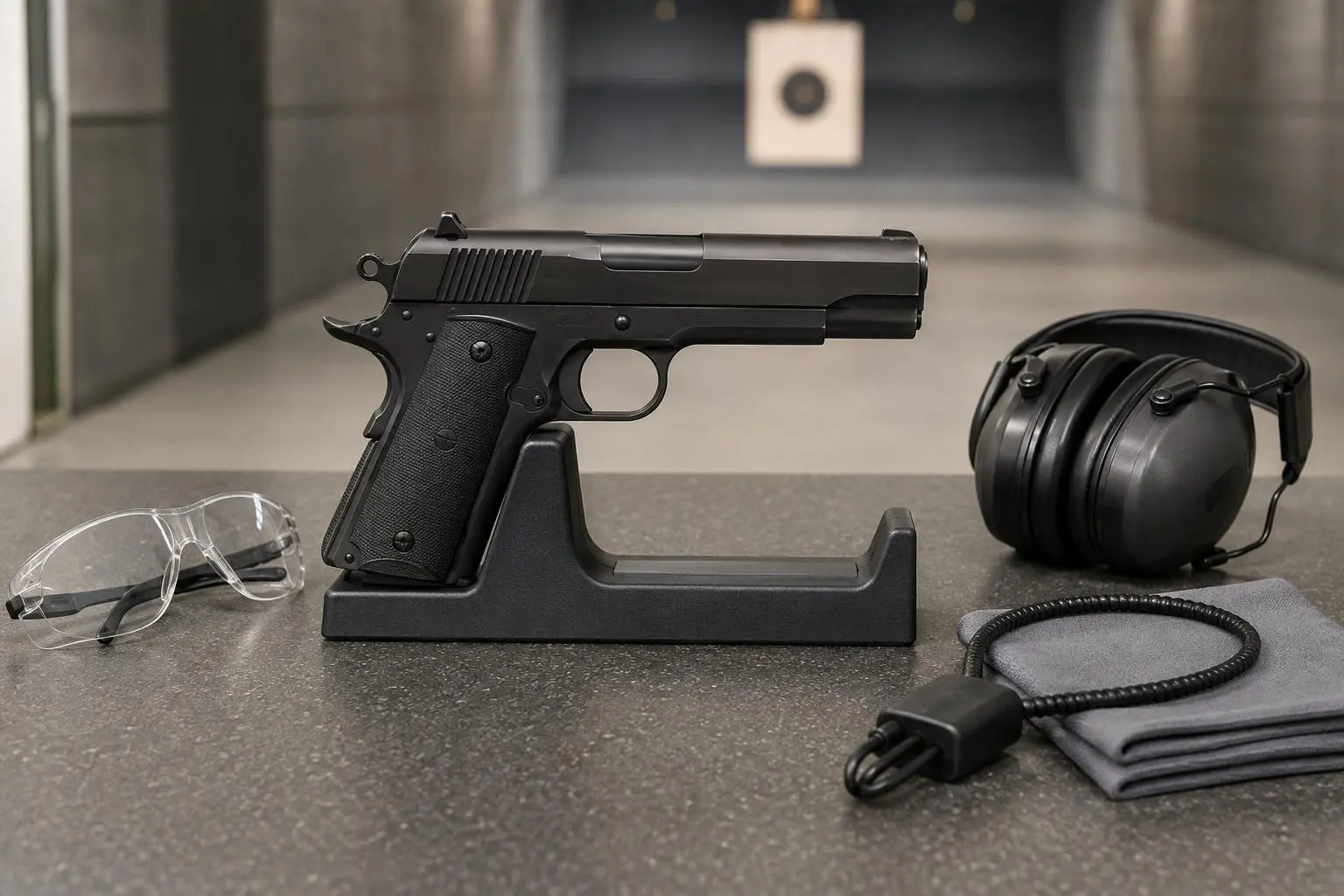
For a planned time, at the range bring eye and ear protection, the manual, good storage and only the bullets you have checked. Do not let a busy schedule make you miss a sign. A day that is delayed is not nice; ignoring a problem that could make the gun not safe is not worth it.
The best habit is simple: check decide what you see and fix the biggest risk before anything else. Cleanliness is part of keeping a gun working. Stopping before using a gun or bullet that is not safe is the most important step.