Recognizing True Value in Used Firearm Listings
Buying a used firearm might feel like a way to save money.. Low prices can hide serious problems. Many people think a cheaper price means a deal. That's not always true. The quality of the listing matters as much as the price. If you take time to carefully review the details you can avoid mistakes before you ever meet the seller. This helps keep your purchase safe and legal.
Look Beyond Appealing Prices
A good listing should include information. You should know the make, model, chambering and overall condition of the firearm. Photos must show the weapon, not generic images. The description must match what's shown in the pictures.
If a listing says "as-is " " model," or "needs work " that should raise concern. These words might mean the seller is honest.. They also mean you don't know much about the firearm. You need to know what you are buying. Ask for the model number. Ask if everything comes with the sale. If the seller cannot answer these questions clearly the low price may just be a trap.
The goal is not just to find a firearm. It's to find one that's safe, legal and properly documented. Value is less important than information. You must be able to verify the firearm's identity and meet your responsibilities.
Distinguishing Aesthetics from Safety
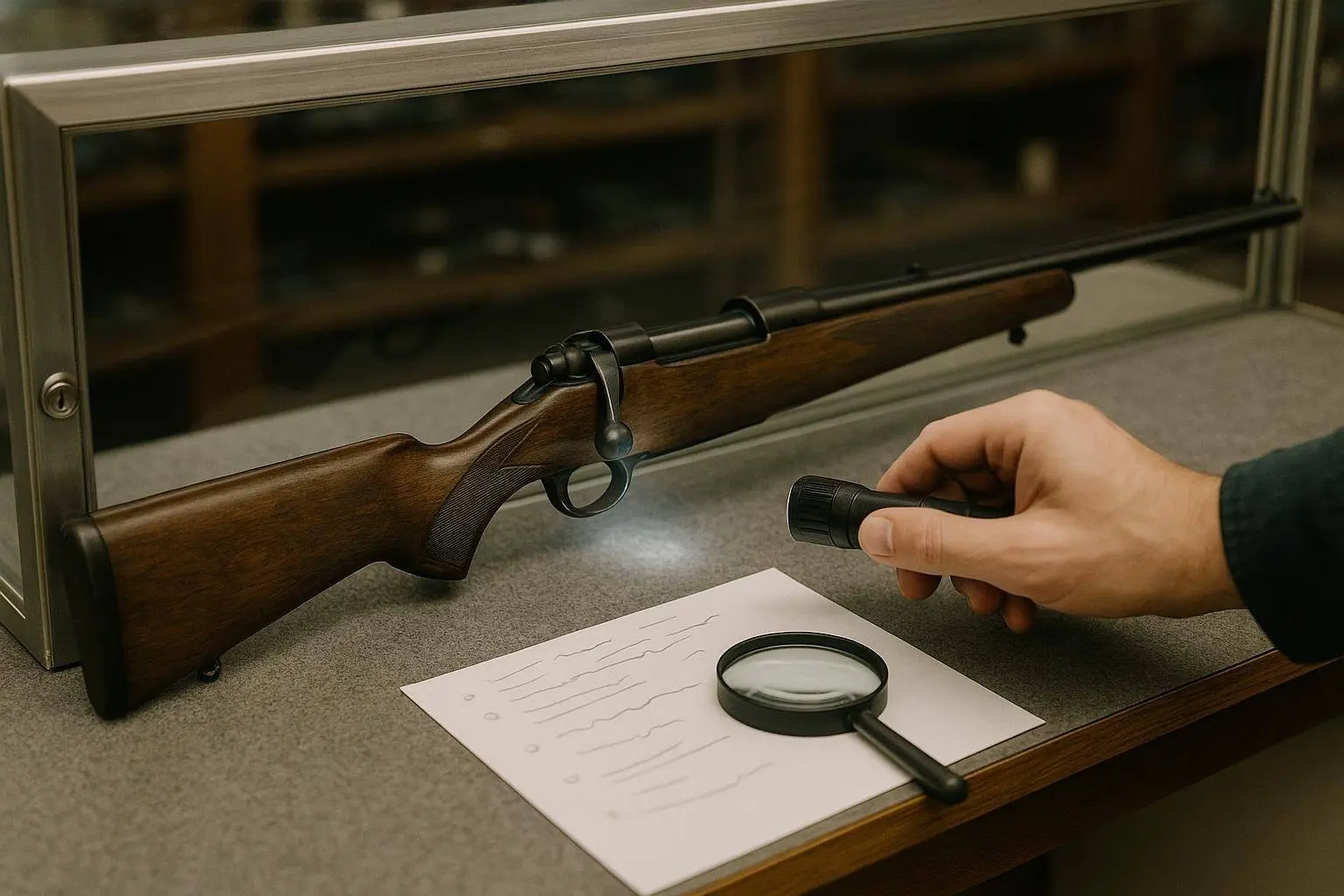
Minor cosmetic damage like scratches or a worn finish might lower the value.. It doesn't always mean the firearm is unsafe. The real problems are safety issues. Look for cracks, bulges, heavy rust, loose parts or signs of modifications. These can make the firearm dangerous.
You should not try to fix any problems yourself. Do not disassemble the firearm. Do not force parts that won't move. If something looks wrong get it checked by a gunsmith. The cost of this inspection should be included in your budget. You don't want to pay later for a problem you could have avoided.
If a seller refuses to allow an inspection. If they ignore your concerns that's a warning. It's better to walk than to risk your safety. A safe firearm is worth more than any price.
Essential Questions You Must Ask
Asking the right questions helps protect you. Ask about any repairs or changes made to the firearm. Ask how it was stored. Was it kept in a place? Was it exposed to moisture or chemicals? Ask what comes with the sale-magazines, manuals, spare parts, cases?
You don't need the story.. You need the basics. Missing information is a flag. If the seller gives answers or if the description doesn't match the photo stop. Take a moment to think. Write down every response. This helps you keep track.
Sometimes a firearm with wear and a clear history is more trustworthy than one that looks perfect but has a mysterious past. Knowing what you're buying matters more than how it looks.
Develop a Checklist Before Proceeding
Before you say yes go through a checklist. Ask yourself these questions:
– Is the make, model and chambering clearly stated?
– Are the photos real and taken from angles?
– Do you see any signs of damage like cracks or repairs?
– Has the seller answered your questions honestly and fully?
– Can you get a professional inspection before using it?
– Have you checked the legal transfer rules with official sources?
– Do you have secure storage ready? Is your budget realistic?
If you have questions that's a sign of trouble. A low price might hide a lot of unknowns. Don't rush.
Understanding Total Costs Involved
The price on the listing is the start. You need to consider costs. You'll need an inspection. You'll need storage. You may need to move the firearm. You might have to replace parts. You'll need maintenance supplies. All these add up.
When you add it all up the total cost might come close to the price of a documented firearm. Then the deal is no longer a bargain. Be careful not to buy accessories that don't fit. Make sure you know what ammunition works. Make sure you know what magazines are compatible. If you are unsure talk to a professional. Don't trust opinions.
An older firearm with documentation is usually easier to handle than a cheap one with no history. A clear record means risk and fewer surprises.
Prioritize Transfer and Storage Arrangements
A good purchase isn't about the price. It's about safety, legality and planning. Make sure you understand the transfer process. Laws vary by location. They can change. Check with authorities or a licensed dealer. Don't assume you know the rules.
You also need a storage plan. The firearm must be locked away. It must be, out of reach of children and unauthorized people. Consider who will have access. Who will control the safe? How will ammunition be stored? Follow the manufacturer's advice. Follow rules.
Sometimes the best choice is to say no. If the listing is unclear if the price seems good to be true if the seller is uncooperative-walk away. A transparent listing, a budget, a safety check and legal clarity build confidence. No price can match that kind of peace of mind.